Seminaris

COLLOQUIUM Theo Bodin (Karolinska Institutet, Suècia).- Employment quality and population health: Current evidence and policy implications

Organitza: Centre d'Estudis Demogràfics

Lloc: Semipresencial

Hora: 12:00 - 13:00

Meeting ID: 384 112 655 914 220 9
Passcode: sC3ea3xT


Employment quality and population health: Current evidence and policy implications

Across high-income countries, a growing share of the workforce holds jobs that depart from the standard employment relationship. A now-substantial body of research argues that what matters for health is not the departure itself but the quality of the arrangement: employment security, income adequacy, and access to rights and protections. This talk reviews where that evidence now stands and what follows from it for policy.

I begin with the conceptual and measurement problem — how employment quality has been operationalised, and why the shift from survey-based self-reports to linked administrative data has changed what we can credibly claim. Sweden serves as the empirical anchor: total-population register data allow employment trajectories to be followed prospectively against health outcomes while accounting for prior morbidity, which addresses the health-selection critique that has dogged this literature. In that setting, low employment quality is associated with common mental disorders, substance use and suicide attempt, a 24% higher stroke risk among men, and a 20% higher risk of premature mortality. That these associations persist in a coordinated labour market with high bargaining coverage is itself informative for comparative work.

The second half turns to intervention. A systematic review conducted within our programme found remarkably few evaluated initiatives, and little basis for comparison across those that exist. Against that thin evidence base, I present ten policy and practice proposals developed with the research group, and would welcome discussion of their transferability beyond the Nordic context.
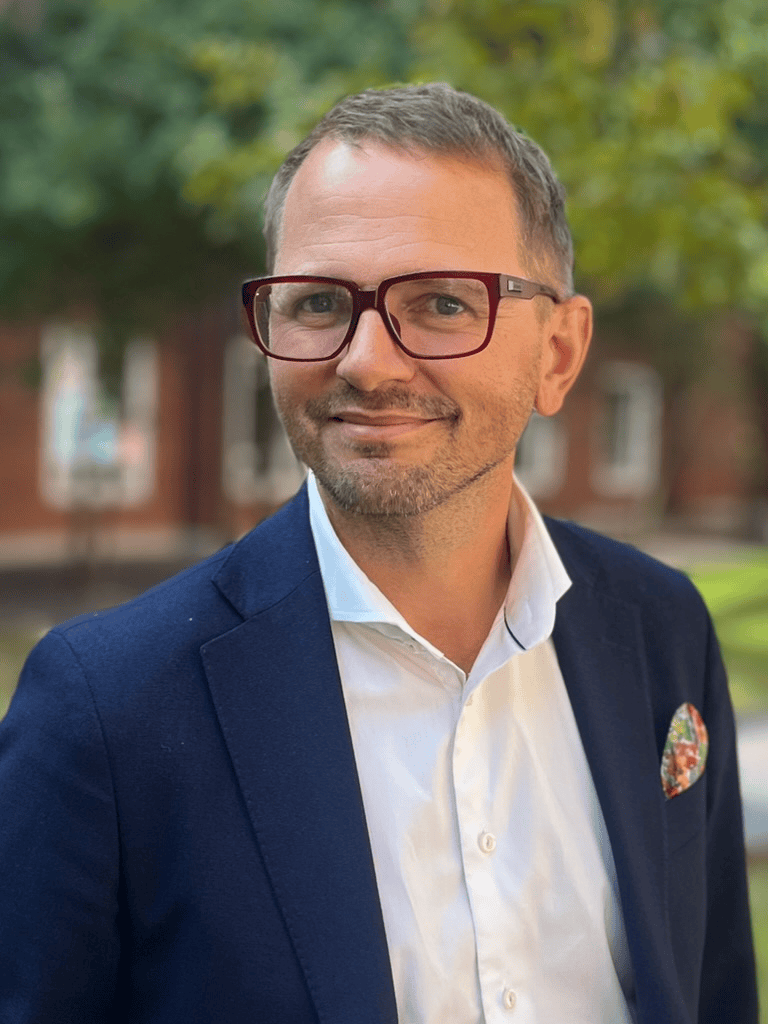
Bio:
Theo Bodin is Professor of Occupational and Environmental Medicine at Karolinska Institutet, and consultant physician at the Center for Occupational and Environmental Medicine, Stockholm Region, which he also directs. He heads the New World of Work research group and directs the Stockholm Center for Return to Work. His research focuses on non-standard employment arrangements and their consequences for health and well-being. His current research particularly addresses precarious employment and its physical and mental health effects; the occupational safety and health implications of platform work and algorithmic management; inequalities in work environment and health, including among immigrant and self-employed workers; and the development of register-based measures and job exposure matrices for labour market and occupational health research.