
Jeroen Spijker
Investigador col·laborador amb el CED
Doctor en Demografia (University of Groningen)
Inequalities in informal caregiving over the adult life course in Europe: social participation, health and the influence of COVID-19’ (EUROCARE)
A Care Regime Typology of Elder, Long-Term Care Institutions
European Journal of Ageing 2025 (22): 20. DOI.: 10.1007/s10433-025-00854-0
Maike van Damme1, Jeroen Spijker1, and Dimitris Pavlopoulos2 Corresponding author: Maike van Damme Email: mvandamme@ced.uab.es; maikevd2011@gmail.com 1 Centre d’Estudis Demogràfics (CED-CERCA) Carrer de Ca n'Altayó, Edifici E2 Universitat Autònoma de Barcelona 08193 Bellaterra / Barcelona, Spain 2 Vrije Universiteit Amsterdam (VU) Faculty of Social Sciences De Boelelaan 1105, 1081 HV Amsterdam, the NetherlandsAbstract
This study generates a classification of 26 European OECD countries with respect to care regimes. Care regimes are ‘social joins’ on the nexus between the state and the family, grouping countries into ‘types’ that have similar characteristics with respect to state care institutions. The latter are formal arrangements by the state to unburden citizen’s care responsibilities either financially, in kind, or both. We build upon the literature on the dimensions of defamilialisation and familialism and empirically test how these two dimensions indicate different types of care regimes. We expect to find at least three different regime types that combine either high reliance on defamilialisation or on supported familialism, or the lack of both. We collected macro-data of 26 countries on five indicators of elder care institutions from various sources and subsequently performed Latent Profile Analysis to group these countries into classes of similar state care arrangements. The results reveal three care regime types: ‘strong Defamilialisation/Supported Familialism’; ‘moderate Defamilialisation/Supported Familialism’; and ‘Familialism-by-Default’. This classification contributes to developing a theoretical framework of care institutions and can guide other scholars in understanding contextual differences in socio-economic causes and consequences of elder care in Europe.Keywords
Care regimes; Child care; Elder Care; Institutions; Latent Profile Analysis; TypologyAcknowledgements
This study is supported by the EUROCARE project (Ref.: PCI2021-121983) funded by the Spanish Ministry of Science and Innovation through the EU Joint Programming Initiative-More Years Better Life (JPI-MYBL), the European Research Council (ERC-2019-COG-864616, HEALIN) and the CERCA Programme (GeneralitatResults
We accidentally coded several missing values as 0 in our data for the following countries: Belgium (LTC workers), Iceland (LTC workers), Lithuania (LTC workers), Switzerland (residential care and home care services). We redid the Latent Profile Analyses, which slightly changed the classification with Iceland now being classified as ‘strong Defamilialisation/Supported Familialism’ instead of ‘moderate Defamilialisation/Supported Familialism’. Below we include the corrected Tables of the article: DOI: https://doi.org/10.1007/TEAM
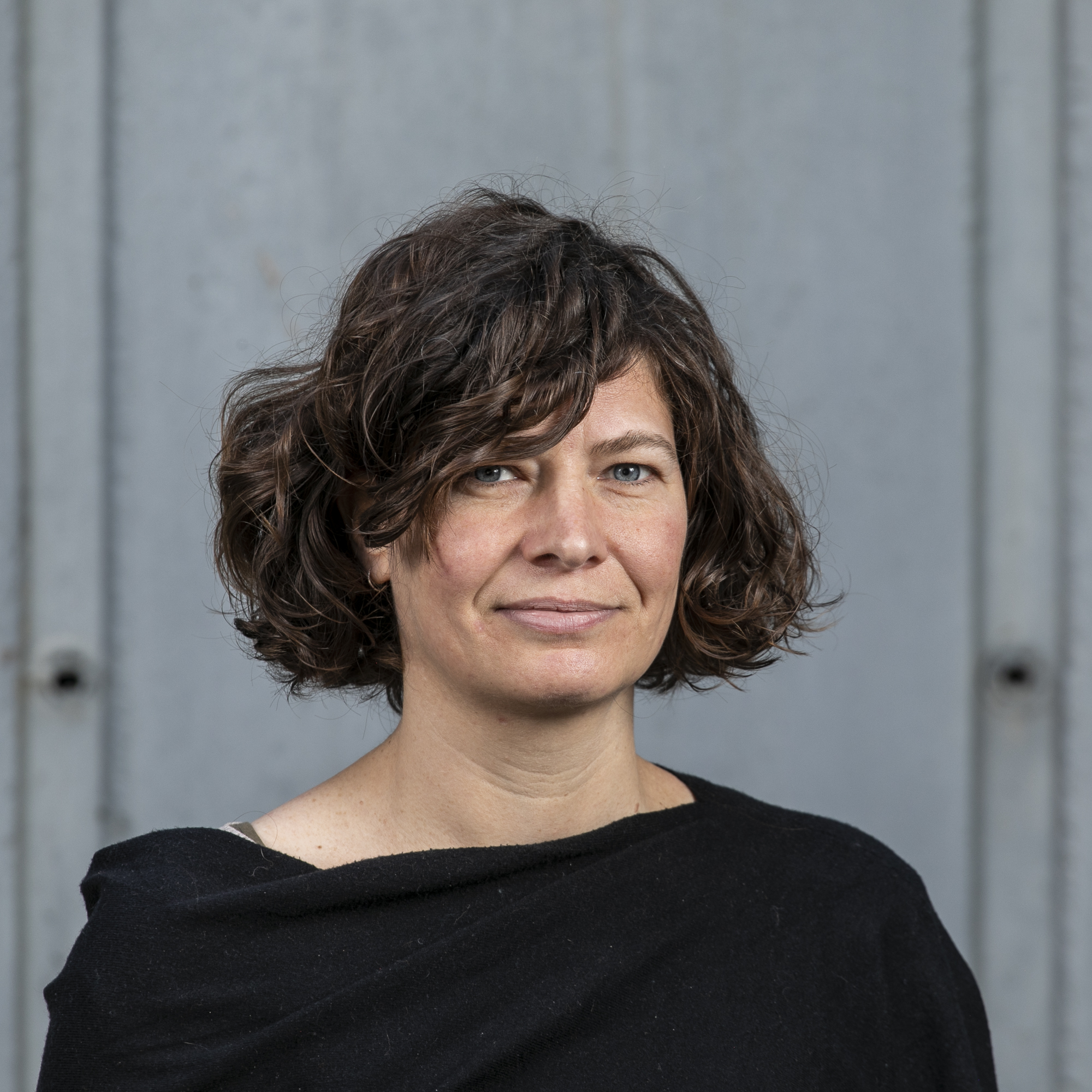
Maike van Damme
Investigadora
Doctora en Sociologia (Tilburg University)

Jeroen Spijker
Investigador col·laborador amb el CED
Doctor en Demografia (University of Groningen)

Mariona Lozano Riera
Investigadora Ramón y Cajal
Doctora en Sociologia (Universitat Autònoma de Barcelona)

Elisenda Rentería Pérez
Adjunta a la Direcció
Doctora en Demografia (Universidade Federal de Minas Gerias)

Mariana Calderón Jaramillo
Investigadora
Doctora en Demografia (Universitat Autònoma de Barcelona)