
This is a two-week intensive course (70hs), held in Barcelona as part of the COST-Action GREATLEAP, co-organized by the Centre for Demographic Studies (CED), the Asociación de Demografía Histórica and HiDo network.
First week: The course will begin by focusing on developing skills for building databases, with particular attention to students’ own data. Students will also be introduced to using R, ensuring they are prepared to use the program in the second week for learning statistical models to study health inequalities.
Second Week: The second week of the course will focus on providing students with a solid foundation for estimating statistical models to analyse health inequalities, using R.
More information available at this link.
At the end of the course, students will have discussed the implications of historical mortality sources for the study of health inequalities and have learned how to build a relational database from original source materials. Furthermore, they will have acquired a solid foundation in both basic and advanced methods for the analysis of aggregated and individual-level mortality data. Finally, students will become familiar with R to fully engage with this exciting program.
This course will be useful to PhD students, postdoctoral fellows, early-career researchers, and professionals with an interest in historical demography, public health, epidemiology, or related fields.
Basic familiarity with quantitative methods is helpful but not required.
Participants are expected to bring their own laptop.
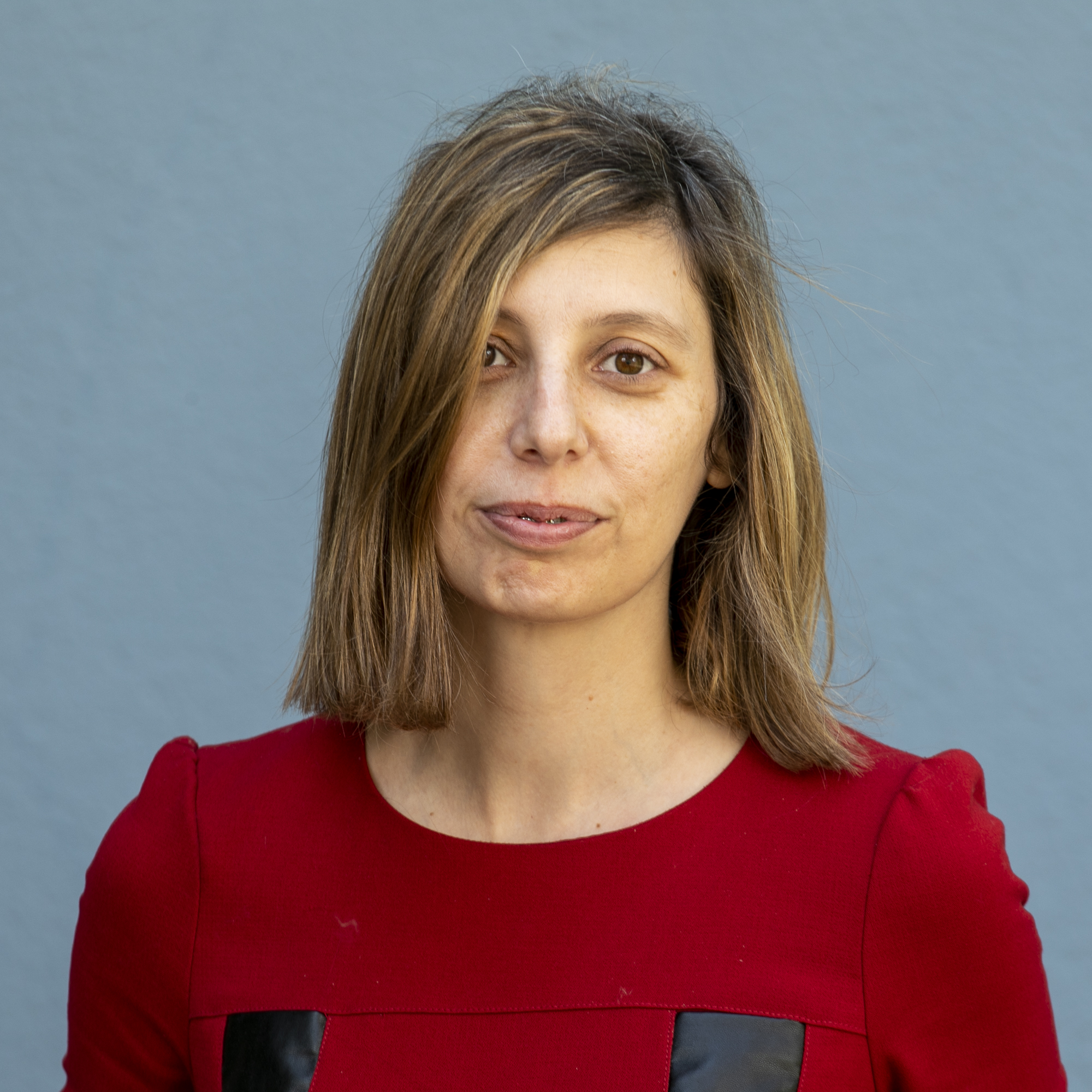
Joana Maria is an ICREA Academy Researcher, Associate Professor, and Associate Dean for Research at the Universitat Oberta de Catalunya, and Head of the Historical Demography area at the CED. Her research focuses on the study of epidemic Dynamics, and; intra- and intergenerational transmission of social status; and the application of AI to the construction of demographic.
Más información

Tim is an Assistant Professor of Historical Demography at Radboud University, Nijmegen. His work examines the emergence of health inequalities in 19th and 20th-century societies, focusing on epidemics, cause-specific mortality, and hospital patients.
Más información

Gabriel is an Associate Professor at the Universitat Oberta de Catalunya. His research focuses on long-term socioeconomic inequality and social mobility, spanning from preindustrial and industrial societies to contemporary periods, with particular attention to their links with demographic behavior.
Más información
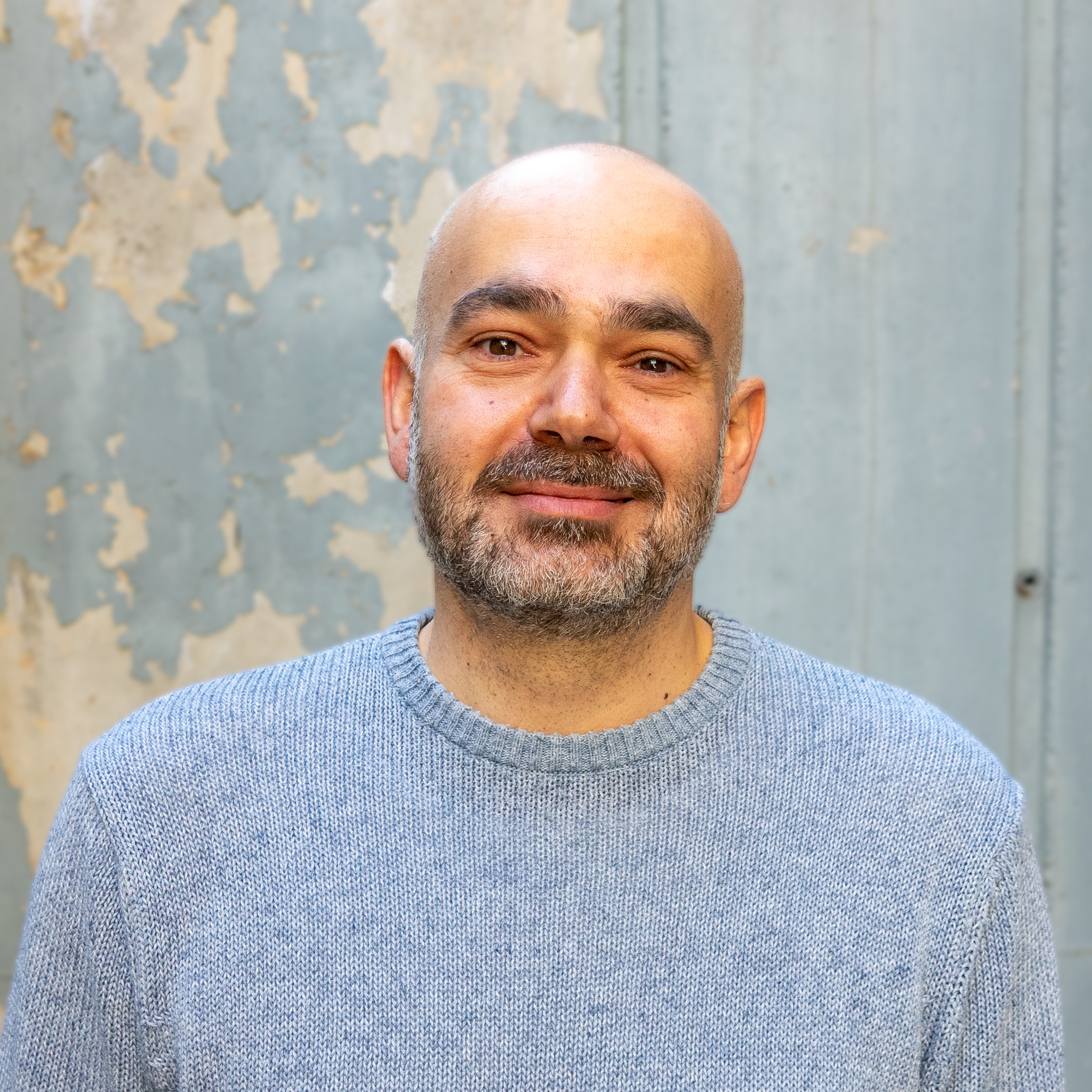
Jordi is currently a Ramón y Cajal Fellow Research Scientist at the Centre d’Estudis Demogràfics (CED) in Barcelona, Spain, and a Guest Researcher at the Centre for Demographic and Ageing Research (CEDAR) in Umeå (Sweden). His research is grounded in the fields of sociology of health and population studies, with a focus on gender perspectives.
Más información
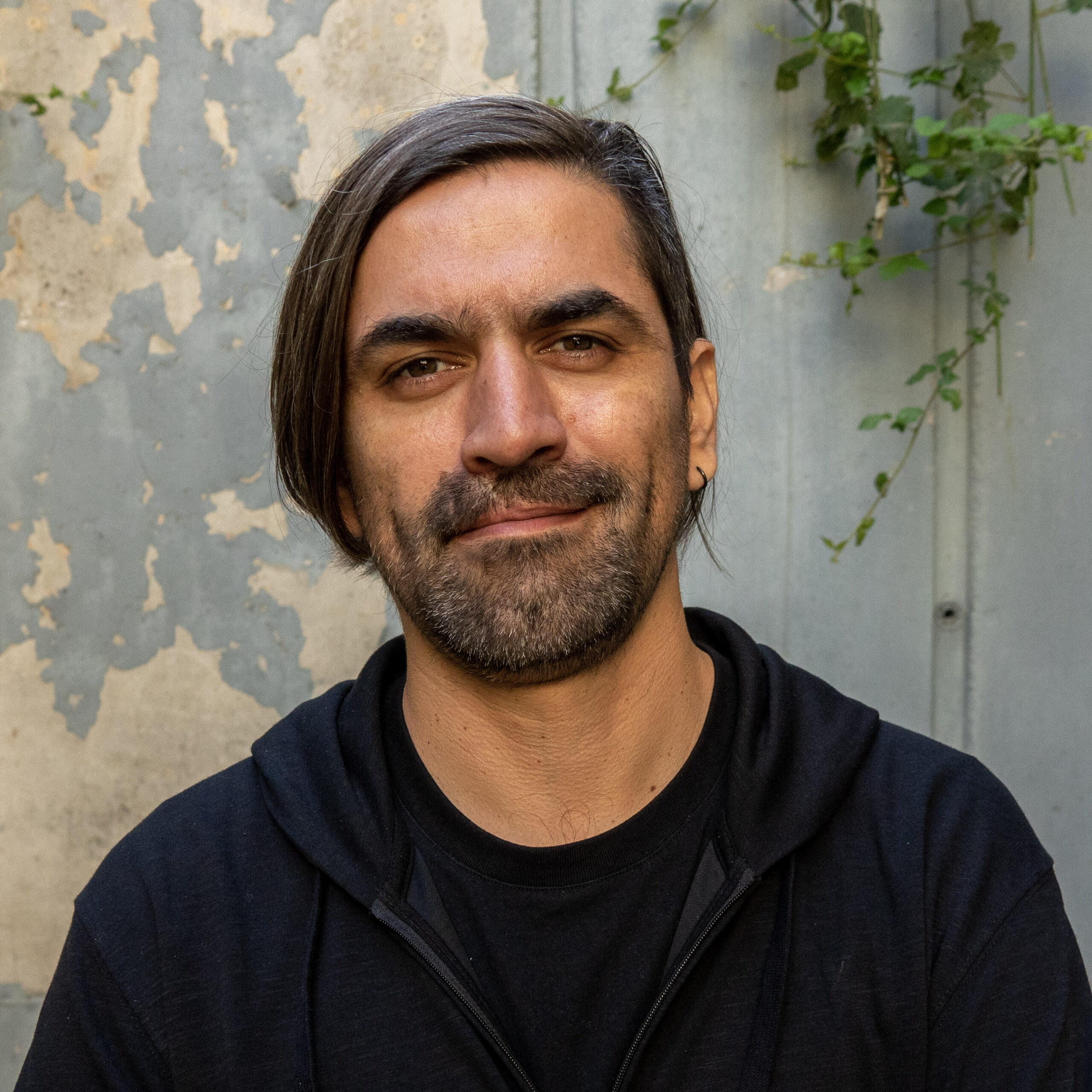
Enrique is a demographer and Ramón y Cajal Fellow Research Scientist at the Centre d’Estudis Demogràfics (CED) in Barcelona, Spain. His research focuses on mortality analysis, with a particular emphasis on the demographic impacts of crises, including violence, armed conflict, epidemics, pandemics, and substance abuse.
Más información
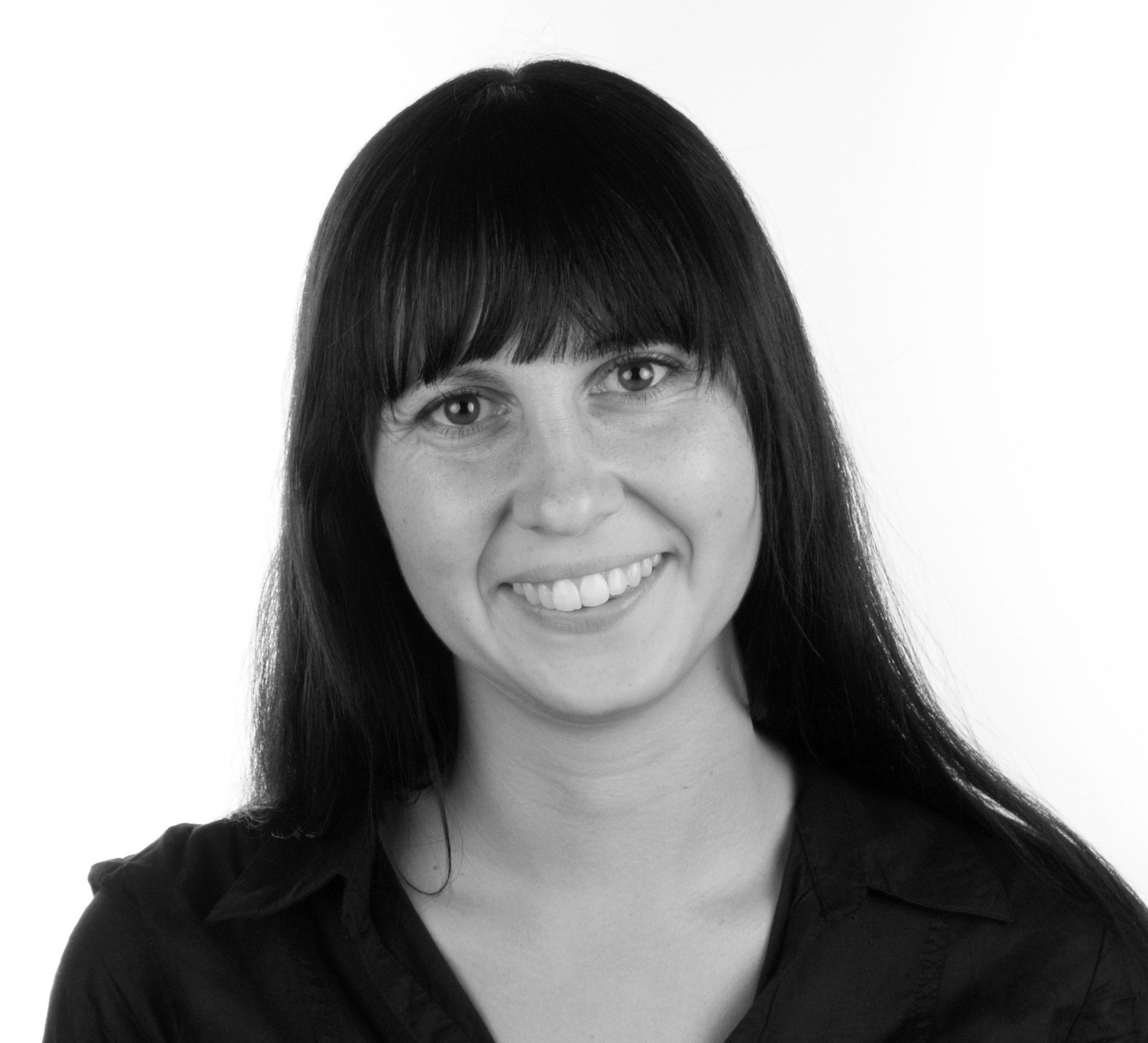
Katarina is a Senior Researcher at the Institute of Evolutionary Medicine, University of Zurich. She has a multidisciplinary background in statistics, historical epidemiology, and (historical) demography. Her research focuses on multiple aspects of past pandemics and on social and demographic inequalities in mortality trends in Switzerland.
Más información

Adrià is a Ph.D. Candidate in the Document Analysis Group at Universitat Autònoma de Barcelona. He holds a B.S. in Data Engineering and an M.S. degree, and his research focuses on cultural heritage, responsible AI, data governance, retrieval systems, and data visualization.
Más información

Dídac is a research assistant at the Universitat Oberta de Catalunya and collaborates with the Centre d’Estudis Demogràfics, which specializes in historical demography. He holds a Master’s degree in History of Science and a Bachelor’s degree in Statistics and Sociology.
Más información

Date
08 Jun 2026 - 19 Jun 2026
Registration deadline
15 Jan 2026

Schedule
Monday to Friday from 9h to 13h and from 14h to 17h

Modality
In person only

Fee
Free of charge

Language
English