
The course examines the challenges and opportunities of population aging and how this affects the distribution of resources and public policies. It will address topics such as population aging and changing age structures (emphasizing that aging is not only about older people), aging population trends, the health and well-being of older adults, the economic security and social protection of older adults, and the impact of aging on the workforce, employment and care. The course also focuses on the transfer of resources between generations, exploring how public policies can ensure a fair distribution of resources between younger and older populations.
The course will offer a broad overview of the challenges and opportunities of population aging. It will help students to develop critical thinking on the topic, enabling them to challenge alarmist messages, usually coming from the media. It will also allow them to thoughtfully assess the importance of effective planning and informed decision-making in shaping public policies. Students will understand the importance of addressing population aging, not as an issue affecting only older populations, but all age groups.
This course will be useful to undergraduate, Master, and PhD students working in any area of the social sciences (preferably using quantitative methods or approaches), like Demography, Sociology, Economics, Political Science, or Environmental Science, that are interested in the study of population aging and their challenges. Moreover, it can also be useful to those who design and manage public policies related to these topics.
It is expected that students have some spreadsheet program knowledge (such as Excel or Google Sheets).
Students must bring their laptop with a spreadsheet program installed.
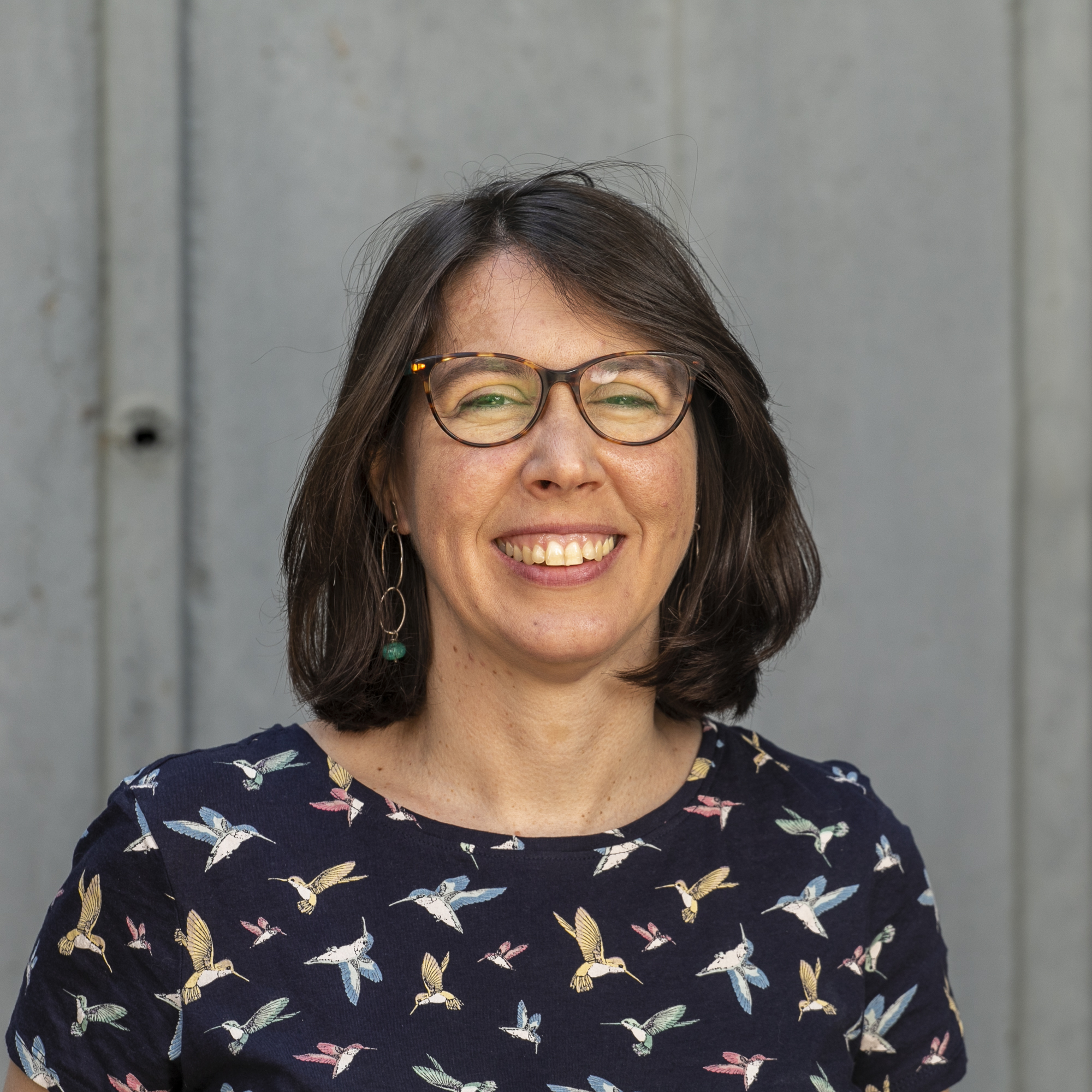
Elisenda is a researcher at the Centre d’Estudis Demogràfics. She is an economist with a PhD in Demography with a long experience researching topics related to population aging, intergenerational transfers, and socioeconomic disparities in population health. She has collaborated in the international project National Transfer Accounts since 2008.
Más información
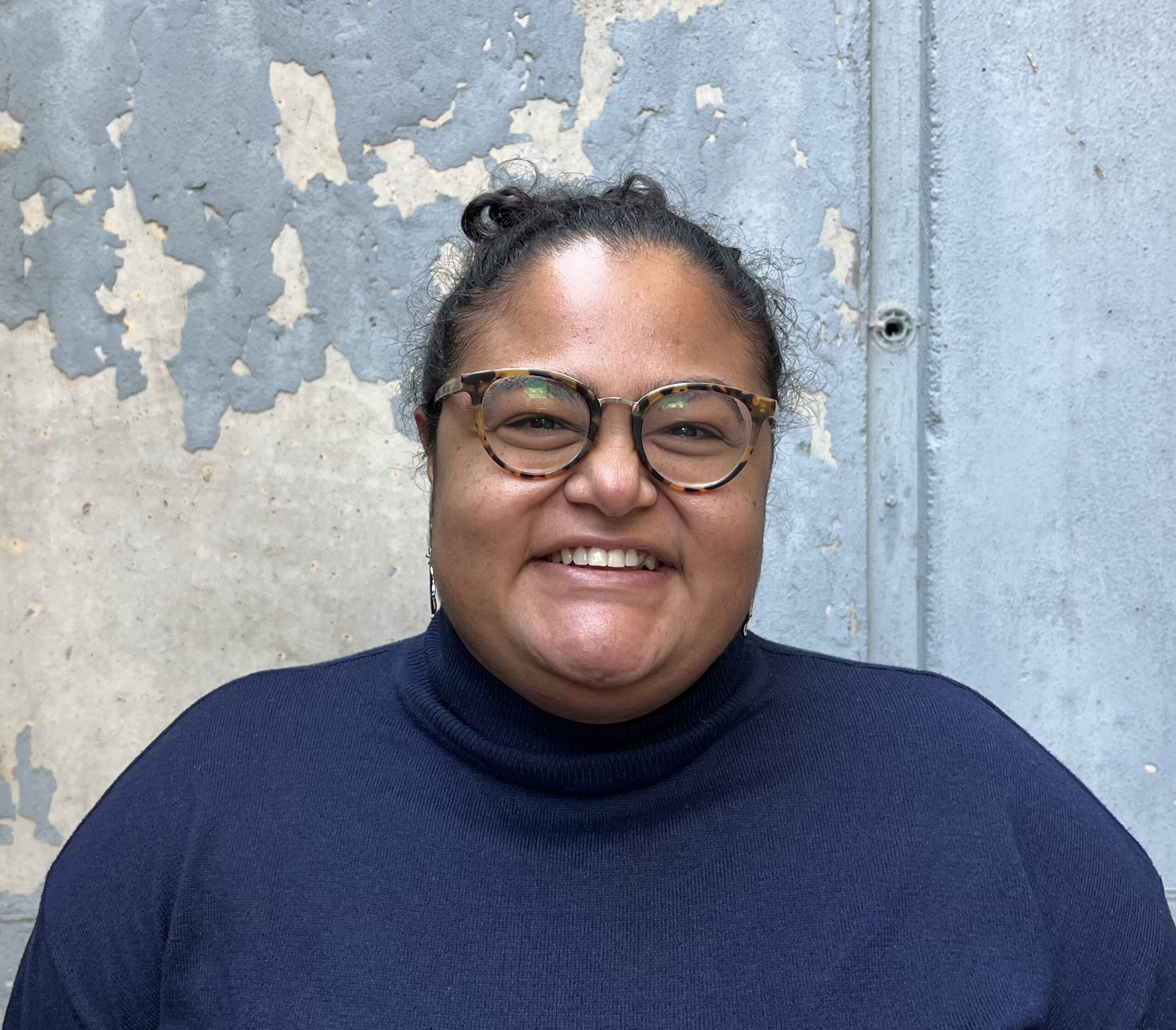
Júlia is a Research Fellow at the Population Studies Group, London School of Hygiene and Tropical Medicine (PSG/LSHTM). Her research focuses on social and regional inequalities in mortality, with a particular emphasis on causes of death, health disparities, and the impact of public policies on population health
Más información
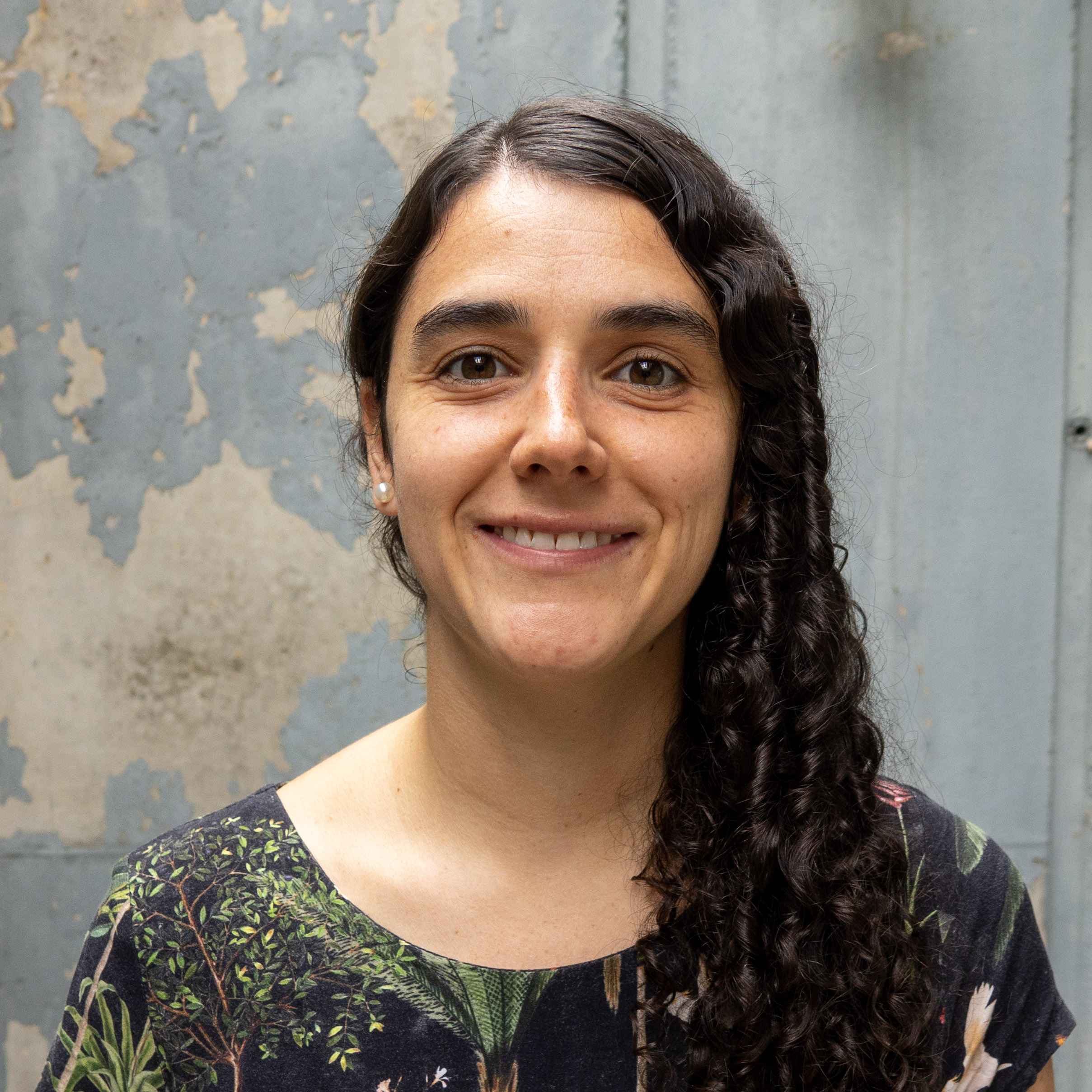
Mariana is a postdoctoral researcher at CED. Her interests are related to social care policies, ageing, and healthcare systems’ responses to population change. She is particularly focused on how governments and societies approach the social care needs of ageing populations.
Más información

Date
26 May 2026 - 29 May 2026
Registration deadline
15 Apr 2026

Schedule
Tuesday to Friday from 10.00h to 13.00h

Modality
In person or online

Fee
150€

Language
English
